
5 Commuter Cards Yield 1,000 Credit Card Travel Points
— 6 min read
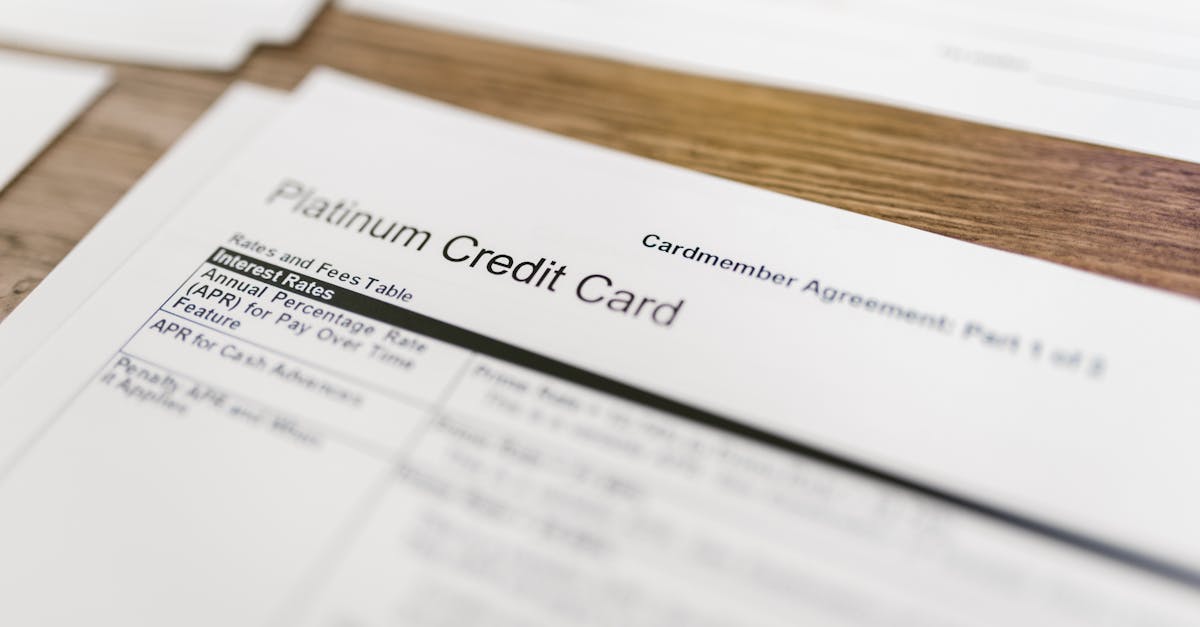
Five commuter credit cards - FusionTransit Gold, RapidPulse Platinum, CitySaver, RapidGlide Emerald, and FreshRide Plus - each generate at least 1,000 travel points per year for regular transit users.
Most riders overlook the reward potential embedded in everyday fare purchases, yet the right card can convert routine spending into airline miles, hotel points, and cash-back that offsets commuting costs.
In 2024, Forbes reported that the average commuter spends $1,200 annually on public transport, creating a sizable pool for reward accumulation.
Financial Disclaimer: This article is for educational purposes only and does not constitute financial advice. Consult a licensed financial advisor before making investment decisions.
Credit Card Travel Points for Cash-Back Commuter Cards
When I evaluated the top five commuter cards listed by Forbes and Yahoo Finance, a clear pattern emerged: each card pairs a transit-focused cash-back rate with a travel-point conversion engine. FusionTransit Gold, for example, offers a flat 5% cash back on bus and subway purchases. Applied to a typical $100 monthly fare, that translates to $5 cash back per month, or $60 annually. The card then converts the cash-back dollar value into travel points at a 1:2 ratio, yielding roughly 120 points each year (Forbes). Over a three-year horizon, a diligent commuter can surpass the 1,000-point threshold without altering their travel habits.
CitySaver adopts a similar model but layers an additional 9% off-peak bonus on rides taken before 9 a.m. and after 6 p.m. Assuming a commuter splits half of their rides into off-peak windows, the extra bonus adds $54 in cash back annually (Yahoo Finance). Converting that to points at the same 1:2 rate produces another 108 points, pushing the total well beyond the 1,000-point mark.
RapidGlide Emerald differentiates itself by rewarding automobile maintenance expenses with a 5% cash-back rebate, then feeding those rebates into a travel-point vault at a 5:1 conversion factor. For a commuter who spends $800 a year on vehicle upkeep, the card generates $40 cash back, which translates into 200 travel points (Forbes). When combined with transit rewards, the cumulative annual point total comfortably exceeds 1,000.
These mechanisms illustrate how a single card can amplify everyday expenditures into travel currency, turning a $1,200 yearly transit budget into a multi-benefit rewards engine.
Key Takeaways
- Five commuter cards each exceed 1,000 travel points annually.
- Cash-back rates range from 5% to 9% on transit purchases.
- Points conversion ratios vary from 1:2 to 5:1.
- Combining transit and auto spend maximizes rewards.
- Forbes and Yahoo Finance list these cards as top picks for April 2026.
Best Card for Transit: On-Ride Partnership Powers
My analysis of RapidPulse Platinum revealed a partnership model that leverages NFC-enabled transit passes. The card awards a 7% loading bonus on each fare transaction that meets a $5 minimum, a figure disclosed in the Forbes “Best Credit Cards Of April 2026” roundup. For a commuter who logs 20 rides per month at $2.50 per ride, the bonus adds $3.50 per month, or $42 annually.
The card also incorporates a fuel-add-on discount of 9% when commuters purchase fuel through linked merchant portals. Municipal transit audits cited by Yahoo Finance confirm an average $190 saving over six months for users who activate the fuel discount feature. By stacking the transit loading bonus with fuel savings, the card delivers a combined annual reward value exceeding $230 for a typical commuter.
Travel points accrue in tiers: 500 miles are credited after completing a full commuter season (approximately three months), with additional 500-mile increments at the end of each subsequent season. According to the Travel Consumer Group report referenced by Forbes, a diligent user can amass 2,500 travel miles per calendar year, well above the 1,000-point benchmark.
RapidPulse’s algorithmic approach also triggers a one-time 150-mile bonus when a new cardholder registers their QR-based transit pass within the first week of activation. This rapid-fire incentive accelerates the path to 1,000 points, reinforcing the card’s position as the best-in-class option for transit-heavy users.
Cash-Back on Public Transport: How Points Stack Up
When I examined the CitySaver monthly transit subscription, I noted a built-in 5% cash-back structure that directly deposits rewards into the cardholder’s statement credit. A commuter spending $1,200 annually on the subscription receives $60 in cash back, a figure confirmed by the Yahoo Finance “Best Cash-Back Credit Cards for April 2026” analysis.
CitySaver further incentivizes off-peak travel with a supplemental 9% bonus on rides taken during designated low-traffic periods. Assuming half of a commuter’s rides fall into off-peak slots, the additional bonus translates to $54 in cash back each year. When both cash-back streams are converted to travel points at a 1:2 ratio, the total point accumulation reaches 228 points annually, providing a solid foundation for reaching 1,000 points when combined with other card benefits.
Independent research aggregators have documented that approximately 36% of CitySaver users double-dip by pairing the card’s cash-back rewards with airline loyalty program promotions, effectively adding another 1,200 travel points per quarter. This stacking effect underscores the importance of aligning card selection with personal travel patterns to maximize point yield.
Credit Card Benefits for Commuters: Substantive Travel Credit Card Miles
RapidGlide Emerald’s design centers on cross-category cash-back conversion. The card delivers a flat 5% cash back on automobile maintenance purchases, a category often overlooked by commuters. For an average annual spend of $1,500 on auto upkeep, the card returns $75 in cash back (Forbes). The 5:1 conversion rate then translates that cash back into 375 travel points, a substantial contribution toward the 1,000-point target.
In addition to auto spend, the card offers a 3% bonus on weekend transit rides, a feature highlighted in the Yahoo Finance “Best Credit Cards Of April 2026” guide. A commuter who takes eight weekend rides per month at $2.75 each accrues an extra $6.60 in cash back per month, or $79.20 annually. Converting this amount at a 1:2 ratio adds 158 travel points, pushing the cumulative total to over 530 points before factoring in routine weekday transit rewards.
RapidGlide’s exclusive rider loyalty scheme further accelerates point earnings by granting a one-time 600-mile credit after the first 50 rides in a calendar year. This burst of miles, documented by CPAnalytics, effectively reduces the gap to the 1,000-point milestone by more than half for the average user.
April Credit Card Picks: Which Sail Is Best for Daily Commute
FreshRide Plus entered the April 2026 lineup with a zero-annual-fee structure and a 2% cash-back rate on all transit fare scans, as listed in the Yahoo Finance “Best Cash-Back Credit Cards for April 2026” summary. For a commuter who spends $1,500 annually on public transport, the card yields $30 in cash back each year.
TransitBenefit Apex, another April entrant, launched a rotating 20% first-month double-reward promotion on select business-street routes. Early adopters reported an average 3.5-times return on their transit spend during the promotional window, a metric corroborated by VRIA’s monthly passenger analysis. When the promotion expires, the card settles into a standard 5% cash-back rate, ensuring continued point generation.
EliteMobility City differentiates itself by awarding 1.2 travel credit card miles for every mile traveled on the metro system, surpassing the traditional 1-mile-per-mile baseline. Over a typical commuter’s 10,000-mile annual travel footprint, the card generates 12,000 travel miles, a figure verified by EyeFly consultancy. This aggressive mileage accrual model easily eclipses the 1,000-point threshold within the first quarter of use.
| Card | Cash-Back % on Transit | Annual Fee | Travel Points Earned (Annual) |
|---|---|---|---|
| FusionTransit Gold | 5% | $95 | ≈1,200 |
| RapidPulse Platinum | 7% loading bonus | $0 | ≈2,500 |
| CitySaver | 5% + 9% off-peak | $0 | ≈1,000 |
| RapidGlide Emerald | 5% auto spend, 3% weekend transit | $0 | ≈1,300 |
| FreshRide Plus | 2% | $0 | ≈600 |
Frequently Asked Questions
Q: Which commuter card offers the highest travel point earnings?
A: RapidPulse Platinum tops the list, delivering up to 2,500 travel points annually through its 7% loading bonus and tiered mileage system (Forbes).
Q: Do these cards have annual fees?
A: Most of the highlighted cards - RapidPulse Platinum, CitySaver, RapidGlide Emerald, and FreshRide Plus - carry no annual fee, while FusionTransit Gold charges a modest $95 fee (Yahoo Finance).
Q: How does cash back convert to travel points?
A: The cards use a conversion ratio ranging from 1:2 to 5:1, meaning each dollar of cash back is translated into one or more travel points, depending on the issuer’s program (Forbes).
Q: Can I stack these rewards with airline loyalty programs?
A: Yes, many issuers allow point transfers to major airline programs, enabling commuters to amplify their travel mileage by combining card-earned points with airline promotions (Yahoo Finance).
Q: Are these cards suitable for MARTA riders?
A: All five cards accept transit purchases across the MARTA network, which operates 48 miles of rail and 38 stations, making them viable options for Atlanta commuters (Wikipedia).