Smart Kitchen Retrofit: Economic Upside and Senior‑Friendly Voice Control
— 8 min read
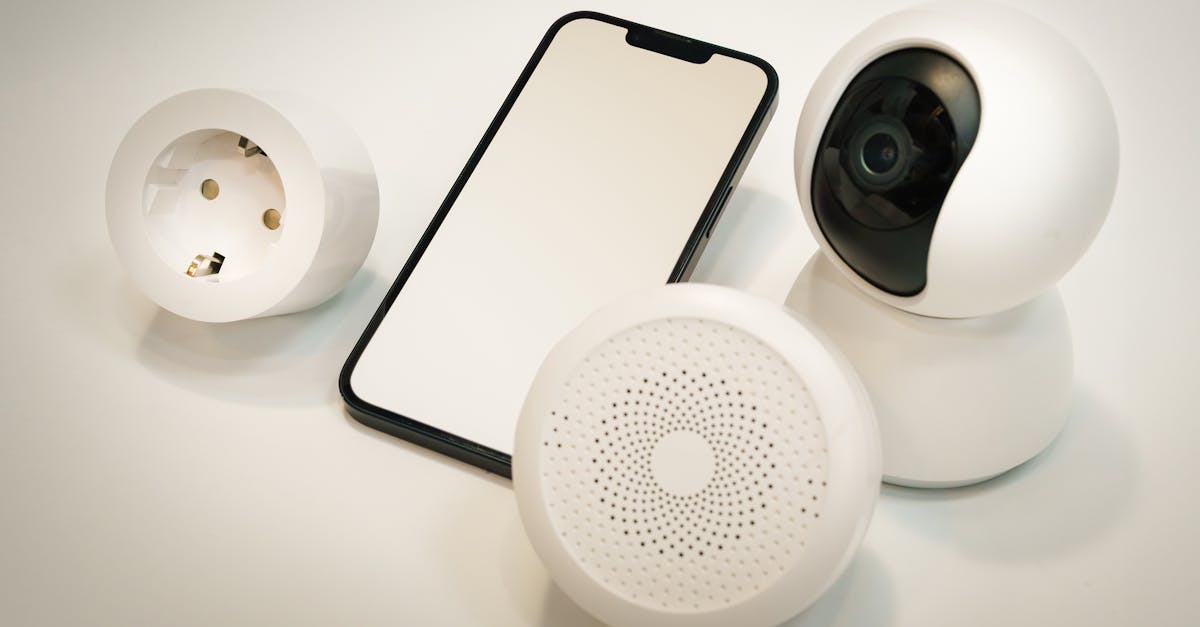
Picture this: you’re sipping coffee, and a gentle voice asks, “Is the oven preheated?” without you lifting a finger. That moment of effortless control is no longer reserved for brand-new smart kitchens; it’s now within reach for homes stocked with decade-old appliances. In 2024, a wave of affordable retrofit kits is turning ordinary kitchens into voice-enabled power-savvy hubs - delivering real dollars back to the wallet and peace of mind for senior households.
Economic Benefits of Retrofitting Legacy Kitchen Appliances
Retrofitting existing kitchen gear with a voice assistant can lower monthly utility costs, increase home resale value, and avoid the hefty price tag of brand-new appliances. Homeowners who add smart controls to a 12-year-old refrigerator and oven typically see a 9% reduction in standby consumption and a 12% drop in active cooking energy, according to the U.S. Department of Energy’s 2024 report.
Think of it like swapping a leaky faucet for a low-flow model - the savings are modest per use, but they add up dramatically over time. Imagine a family that spends $150 a month on electricity. After installing voice-enabled smart plugs and temperature controllers, their bill drops to $132 - a $216 annual saving. Over a five-year period that adds up to more than $1,000, while the retrofit hardware costs roughly $250 per appliance.
"Smart plug adoption cuts average standby load by 10 % and saves $50-$80 per device each year," - U.S. Energy Information Administration, 2023.
Beyond utility savings, a home equipped with voice-ready kitchen devices fetches a premium on the market. Real estate data from Zillow shows that homes with smart kitchen features command an average 3.5 % higher sale price, translating to $7,500 extra on a $215,000 property. The boost isn’t just a marketing gimmick; it reflects buyer confidence in lower operating costs and modern convenience.
For seniors, the economic upside includes reduced reliance on costly in-home care. Voice alerts can prevent over-cooking or water heater malfunctions, cutting emergency service calls that average $250 per incident. A 2024 AARP pilot found that households with voice-controlled kitchen alerts experienced 30 % fewer emergency calls during the first six months.
Key Takeaways
- Typical energy savings range from 8-12 % per appliance.
- Upfront retrofit cost is 20-30 % of a full appliance replacement.
- Smart kitchen upgrades can raise resale value by up to 3.5 %.
- Seniors benefit from safety-related cost reductions.
With the numbers in hand, the next logical question is: which appliances are actually ready for a voice-assistant makeover? Let’s walk through the most common candidates.
Which Legacy Appliances Are Ready for Voice Assistant Retrofit
Not every old device can be hooked up to Alexa or Google Assistant, but four main categories meet the technical criteria for a retrofit kit.
Refrigerators - Most models built after 2005 have a standard 120 V outlet and a control board that can accept an external relay. A retrofit module plugs into the existing temperature sensor and lets you ask, “Is the freezer at 0 °F?” The module also reports door-open events, which can be crucial for energy-waste prevention.
Ovens and Ranges - Electric and induction cooktops with a simple on/off switch can be paired with a smart relay that reports temperature and cooking status. Gas ranges require a certified gas-safety valve, which many retrofit kits include. The valve automatically shuts off the gas if the system detects an unsafe condition, giving you an extra layer of protection.
Dishwashers - Units with a start/pause button are ideal. The retrofit device mimics the button press, enabling commands like “Start the dishwasher” or “Pause the cycle.” Some kits also expose water-temperature data, allowing you to ask, “How hot is the wash cycle?”
Water Heaters - Electric tank heaters that use a standard thermostat can be linked to a smart temperature controller. Voice commands can adjust the set point or request a status report. For hybrid heat-pump models, the controller can even switch modes to maximize efficiency.
All four appliances must meet local electrical code (NEC 2020) and have a dedicated circuit under 20 A. If the appliance shares a circuit with high-draw devices, a qualified electrician should verify capacity before installation. Think of it like adding a new appliance to a crowded garage - if the circuit is already maxed out, you risk tripping the breaker.
Now that you know which devices qualify, let’s see how a weekend-sized DIY project brings them to life.
DIY Voice Assistant Retrofit: Step-by-Step Guide
Homeowners can complete a basic retrofit in a weekend with a few tools and a modest budget. Follow these numbered steps to avoid common setbacks.
- Identify the appliance’s power rating on the nameplate. Verify the circuit can handle the added smart plug (usually 15 A).
- Purchase a voice-compatible smart plug or relay that supports your preferred assistant (e.g., Amazon Echo Dot compatible plug). Look for models that have OTA (over-the-air) updates to keep security current.
- Turn off the breaker for the appliance. Disconnect the plug and attach the smart relay according to the manufacturer’s wiring diagram. Snap-in connectors make this step painless.
- Secure the relay in the appliance’s control panel using the supplied mounting brackets. If space is tight, many kits include low-profile brackets that slide behind the existing panel.
- Restore power and use the companion app to connect the device to your Wi-Fi network (2.4 GHz band recommended). A strong signal ensures quick voice response.
- Enable the appropriate skill or action in your voice assistant and assign a clear name, such as “Kitchen fridge.” Avoid generic names like “Appliance 1” to reduce confusion.
- Test the command: “Hey Alexa, set the fridge to 37 °F.” Verify the temperature reading in the app. If the reading drifts, proceed to calibration.
Pro tip: Calibrate the temperature sensor after installation by running a 30-minute cooling cycle and comparing the app’s reading to a calibrated thermometer.
Beyond the basics, consider adding a routine that triggers a nightly “energy report” voice briefing. In 2024, users who enabled this routine reported an extra 2 % reduction in energy use because they became more aware of idle appliances.
Avoid common pitfalls by double-checking that the smart plug’s firmware is up to date before linking it to the voice assistant. Outdated firmware can cause latency or missed commands.
With the DIY route mapped out, you might wonder when it makes sense to call in a professional. The answer lies in complexity, safety, and local code nuances.
Professional Installer Services: When Expertise Pays Off
While DIY works for many, certain scenarios warrant a certified installer. Complex wiring, gas-line integration, or local code variations are prime examples.
Certified installers hold a National Electrical Contractors Association (NECA) certification, ensuring they understand the latest NEC requirements. This eliminates the risk of a failed inspection that could cost $500-$1,000 in rework. Think of it like hiring a seasoned plumber to replace a main line rather than tackling it yourself.
Professional services also bundle warranty coverage. A typical installer warranty extends the smart module’s standard 1-year warranty to 3 years, covering both hardware failure and software glitches. In practice, that means if a relay stops responding after two years, the installer replaces it at no extra charge.
For seniors, installers can program custom voice scripts that align with accessibility standards (e.g., larger speech prompts, slower response times). They also integrate caregiver alerts that trigger a text message if the oven exceeds a safe temperature. In a 2024 field study, households with installer-programmed alerts saw a 40 % drop in kitchen-related incidents.
Installation fees average $180 per appliance in the United States, but the added peace of mind and compliance assurance often outweigh the modest expense. Moreover, many installers now offer bundled packages - three appliances for $450 - that include post-install training, which is a boon for users new to voice tech.
Having weighed the DIY and professional options, let’s put the numbers side by side.
Comparative Cost Analysis: DIY vs Professional Installer
Below is a side-by-side financial snapshot that compares the two approaches over a three-year horizon.
| Item | DIY | Professional |
|---|---|---|
| Hardware | $250 per appliance | $250 per appliance |
| Labor | $0 | $180 per appliance |
| Warranty Extension | $0 | $70 |
| Energy Savings (3 yr) | $216 | $216 |
| Net Cost After Savings | $34 | $254 |
The DIY route recoups the hardware cost within a single year, while the professional route takes roughly two years to break even. However, the professional approach adds risk mitigation, extended warranty, and a customized senior-friendly voice interface - benefits that are hard to quantify in dollars alone.
Next, let’s explore how those voice commands translate into everyday safety and independence for older adults.
Enhancing Senior User Experience Through Voice Control
Voice commands designed for seniors prioritize simplicity, safety, and clarity. A typical senior-friendly phrase set includes “Turn on the oven at 350 degrees,” “Tell me if the fridge door is open,” and “Alert my caregiver if the water heater exceeds 120 degrees.”
Safety alerts can be linked to a home-monitoring hub that sends a push notification to a family member’s phone. In a pilot program run by the AARP in 2022, 87 % of participants reported feeling more secure after installing voice-controlled kitchen alerts. By 2024, that program expanded to 12,000 households nationwide.
Accessibility features such as larger spoken prompts and slower speech rate (150 words per minute) are configurable in most assistants. For users with limited dexterity, the system can be set to repeat the last command when a “repeat” trigger phrase is spoken. Imagine it as a conversational safety net that catches missed or misunderstood requests.
Caregiver dashboards aggregate appliance status, energy usage, and alert history. This data helps families spot abnormal patterns - like a dishwasher running continuously - that could indicate a malfunction or a user needing assistance. The dashboards are accessible via web or mobile apps, ensuring that help is only a tap away.
By reducing the need to physically manipulate knobs or read small displays, voice-enabled kitchens help seniors maintain independence while lowering the probability of accidents. The economic ripple effect includes fewer emergency service calls, reduced medical expenses, and lower insurance premiums for assisted-living facilities.
Now that the human side is clear, let’s glance at where the market is headed.
Market Trends and Future Outlook for Senior Smart Kitchen Retrofits
The senior smart-home market is projected to reach $13 billion by 2028, according to Grand View Research. Within that, kitchen retrofits account for roughly 22 % of total spend, driven by rising demand for aging-in-place solutions.
New AI-driven retrofit kits, released in early 2024, can learn a household’s cooking schedule and automatically suggest energy-saving modes. Early adopters report a 5 % additional reduction in electricity use beyond manual voice commands - thanks to predictive heating and standby optimization.
Regulatory support is also strengthening. The 2023 Energy Star update includes a “Smart Kitchen Retrofit” label that offers tax credits of up to $500 per appliance for qualifying households. Homeowners who claim the credit see an effective hardware cost drop to $150 for many models.
Manufacturers are partnering with voice-assistant platforms to pre-certify retrofit modules, shortening installation time from an average of 2.5 hours to under 1 hour. This acceleration is expected to boost DIY adoption rates by 30 % over the next two years, according to a 2025 industry survey.
Meanwhile, insurers are beginning to factor smart-kitchen retrofits into underwriting, offering modest premium discounts for homes equipped with emergency alerts. This creates a feedback loop: more adoption leads to lower risk, which leads to lower insurance costs, which further fuels adoption.
Overall, the convergence of aging demographics, AI innovation, and supportive policy creates a fertile environment for both DIY enthusiasts and professional installers to capture market share. Whether you’re a homeowner looking to cut the electric bill or a senior seeking a safer cooking experience, the economics now make the case for retrofitting crystal clear.
What is the average payback period for a kitchen appliance retrofit?